Turn your learning documents into a quizand test yourself
By uploading, you accept Diaposi’s Terms and Conditions and Privacy Policy.
Upload up to 6 files (PowerPoint, PDF or Word) and get a quiz on the chapters you choose in less than a minute. Answer at your own pace, then see your score, every right answer and the chapters to go back over.
01Multiple choice, single answer
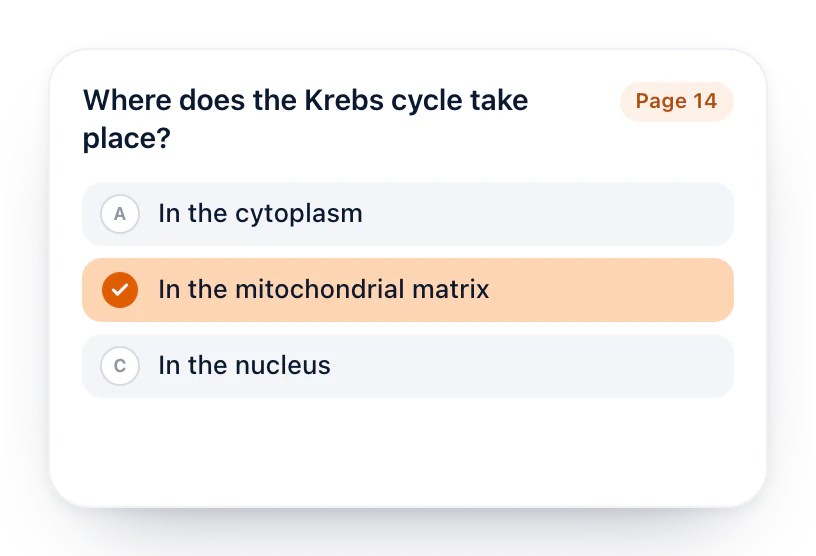
One correct answer among 3 to 5 options, written from a page of your notes. The quickest way to check that a fact has stayed.
02Multiple choice, multiple answers
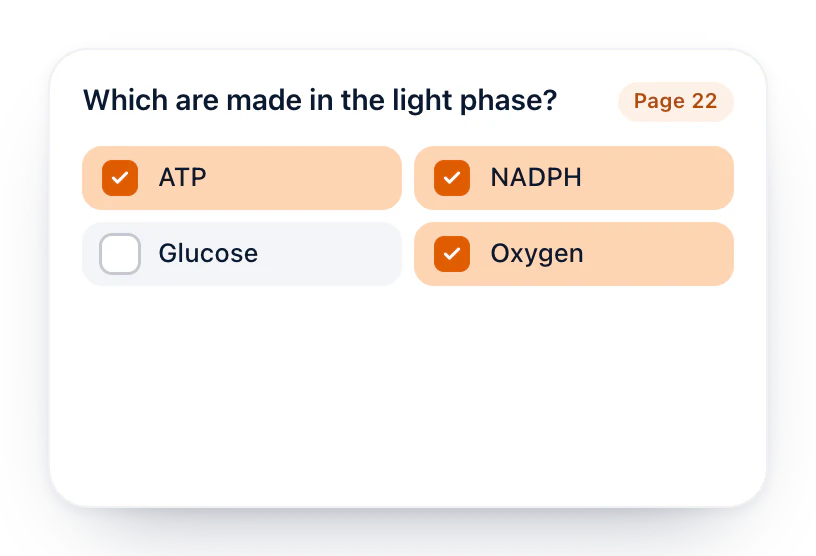
Several options can be correct and all of them must be picked, so you find out whether you know the whole list, not just one part of it.
03True or false
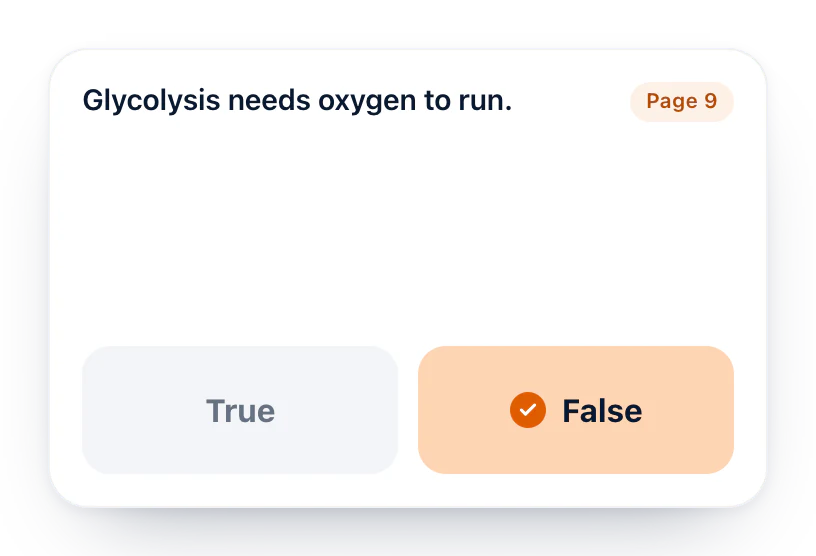
One statement, true or false. Very fast, good for a last check before a class or an exam.
04Fill in the blank
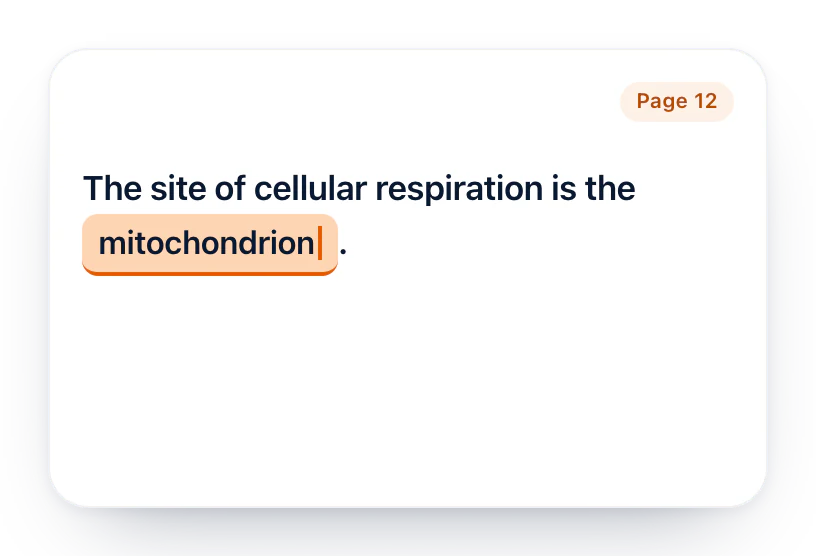
A sentence from your course with a missing word or phrase to type: you recall it yourself instead of recognising it among options.
05Numeric answer
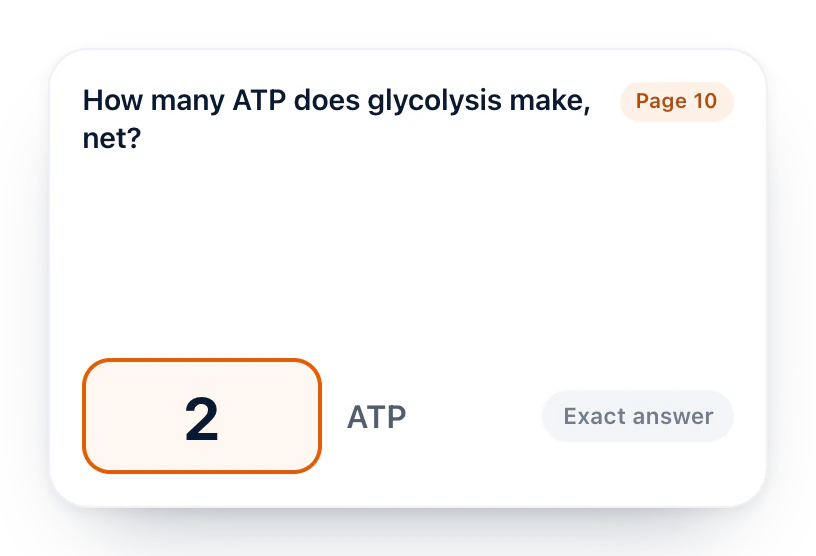
A number to type, with a unit and a tolerance, to practise the figures and calculations in your course.
06Matching
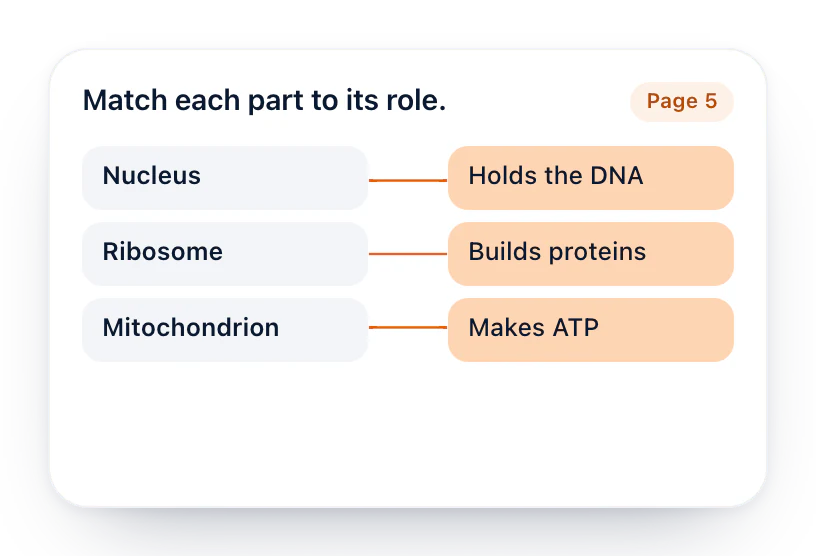
Pair each item with its match: terms and definitions, parts and their roles, dates and events.
07Ordering
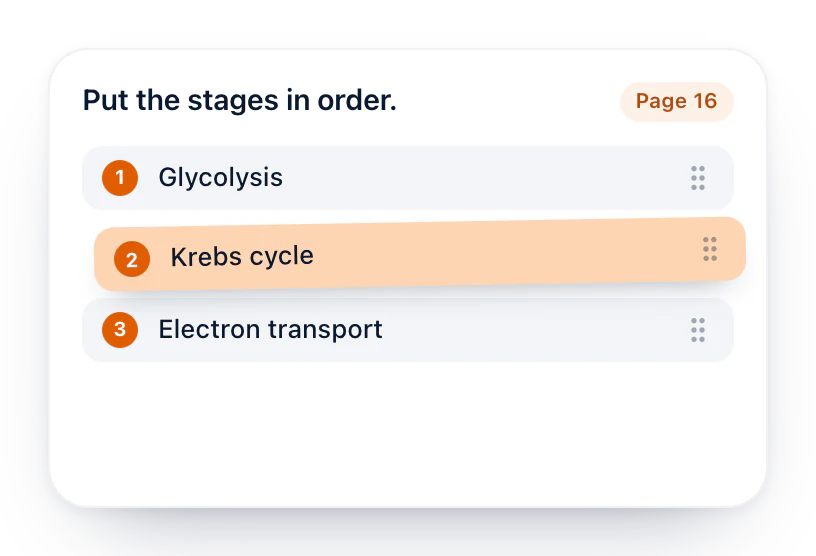
Put steps or events in the right order, with credit for every one in its right place: the way to learn a process.
08Categorization
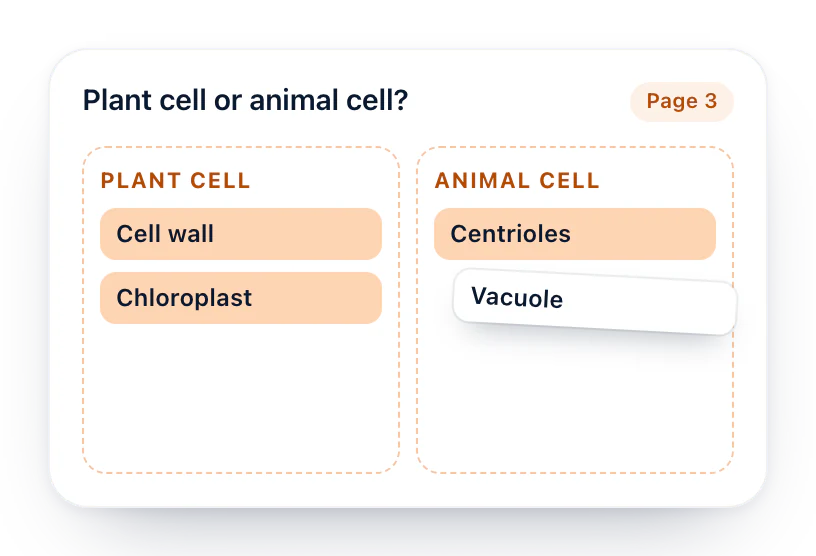
Sort items into the right groups, with credit for every item placed well.
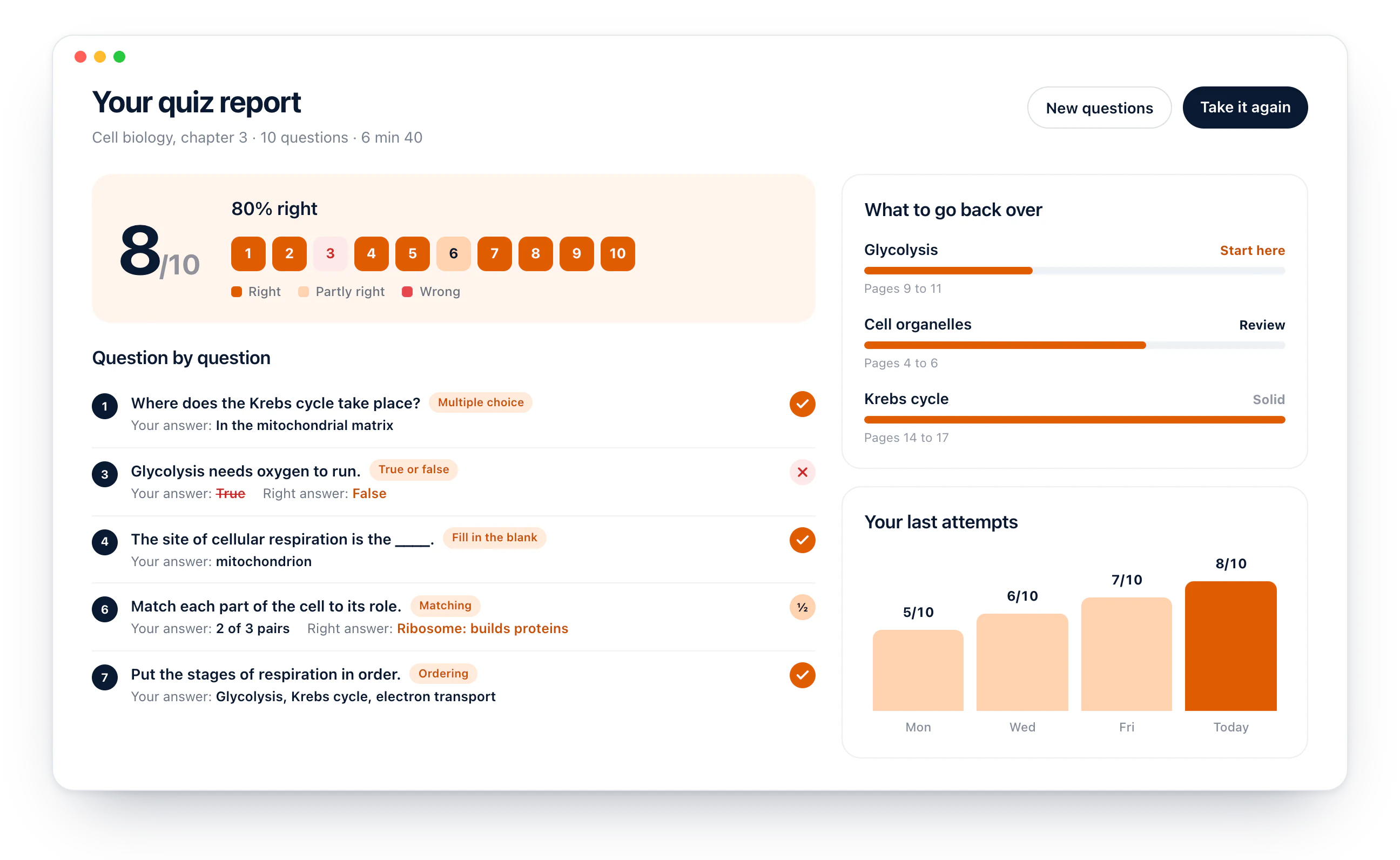
Every quiz ends on a report
The moment you finish, you see your score out of 10, every question with your answer and the right one, the chapters to go back over with their pages, and how you have done from one attempt to the next. Then take it again, or ask for new questions.
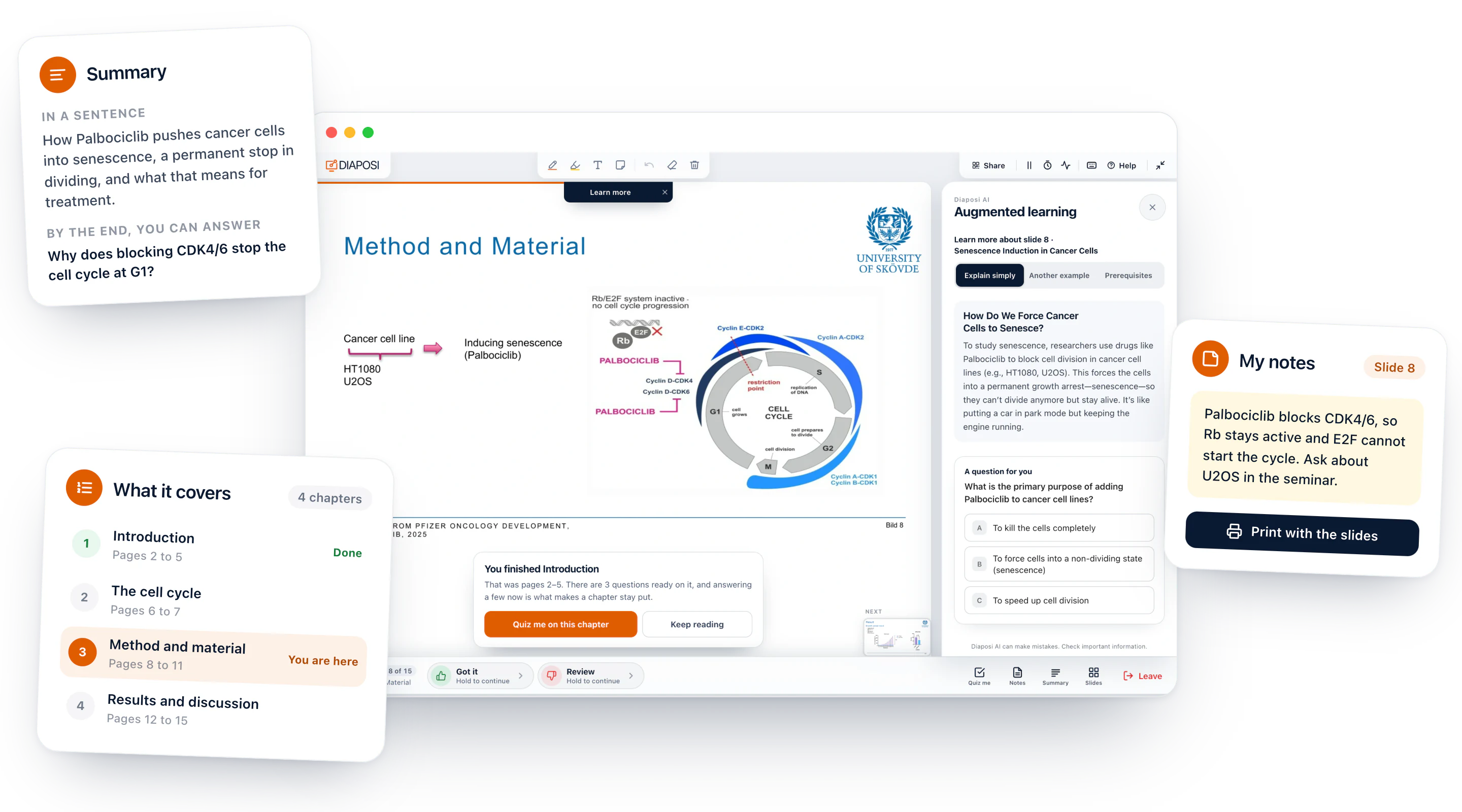
Want better grades? Follow every lecture with Diaposi Augmented Learning
Follow the slides on your own device as the lecture happens, keep your notes beside each slide, and get the summary and the chapters of every course. Then come back here and practise, chapter by chapter.
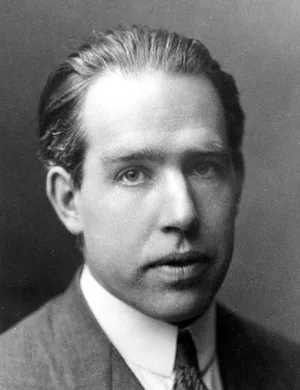
Niels Bohr Did you know?His model of the atom put electrons on fixed orbits, and won him the Nobel Prize in 1922.
Niels Bohr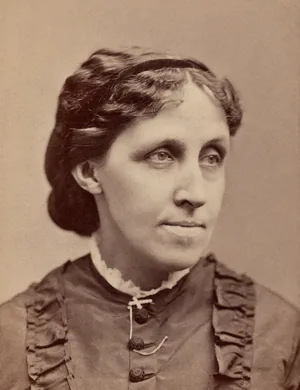
Louisa May Alcott Did you know?She wrote Little Women in about ten weeks.
Louisa May Alcott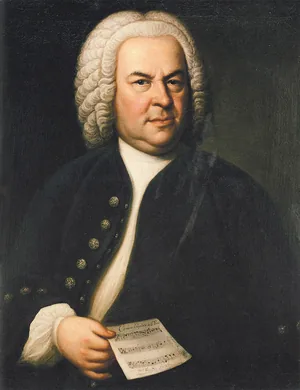
Johann Sebastian Bach Did you know?He once walked about 400 km to hear the organist Buxtehude play.
Johann Sebastian Bach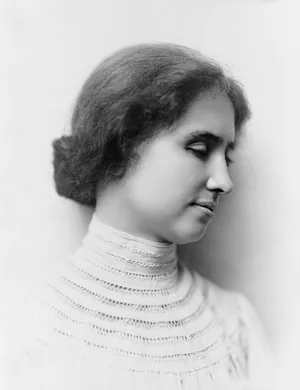
Helen Keller Did you know?Deaf and blind from the age of 19 months, she became the first deafblind person to earn a university degree.
Helen Keller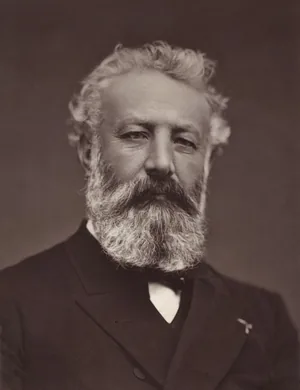
Jules Verne Did you know?He described a trip to the Moon about a century before Apollo 11.
Jules Verne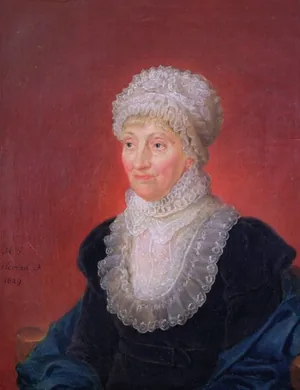
Caroline Herschel Did you know?She discovered eight comets and was the first woman to be paid as a scientist in England.
Caroline Herschel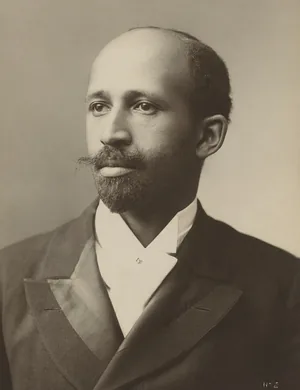
W. E. B. Du Bois Did you know?In 1895 he became the first African American to earn a doctorate from Harvard.
W. E. B. Du Bois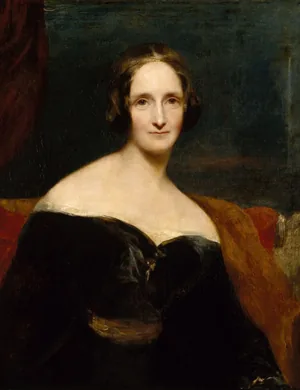
Mary Shelley Did you know?She began Frankenstein at 18, during a ghost story contest with friends.
Mary Shelley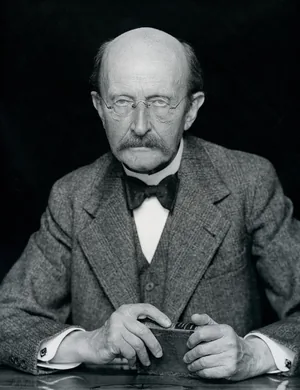
Max Planck Did you know?He found that energy comes in small packets, or quanta, the start of quantum physics.
Max Planck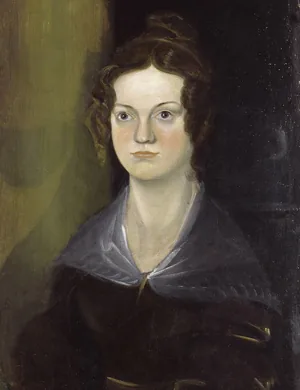
Charlotte Brontë Did you know?She first published Jane Eyre under a man’s name, Currer Bell.
Charlotte Brontë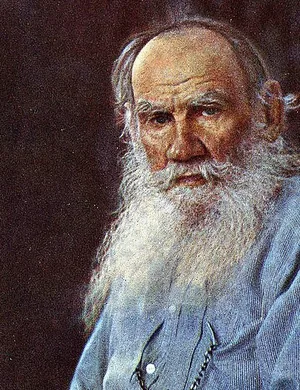
Leo Tolstoy Did you know?War and Peace follows more than 500 characters.
Leo Tolstoy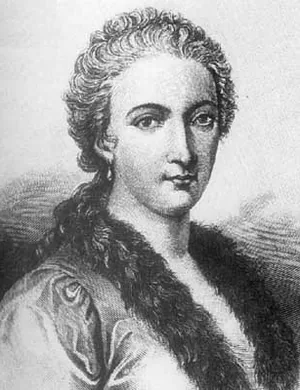
Maria Gaetana Agnesi Did you know?She wrote one of the first textbooks to teach both differential and integral calculus.
Maria Gaetana Agnesi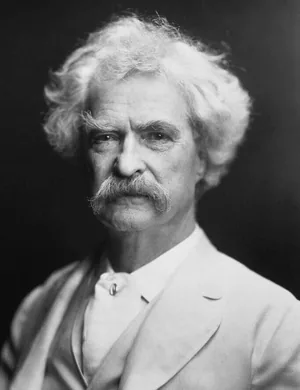
Mark Twain Did you know?He was born when Halley’s Comet passed, and died, as he had predicted, on its return.
Mark Twain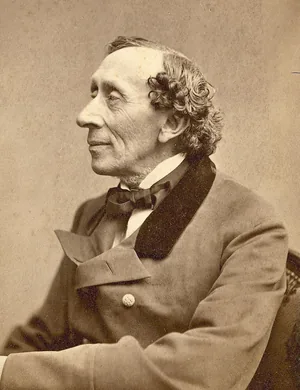
Hans Christian Andersen Did you know?He wrote The Ugly Duckling, which many read as the story of his own life.
Hans Christian Andersen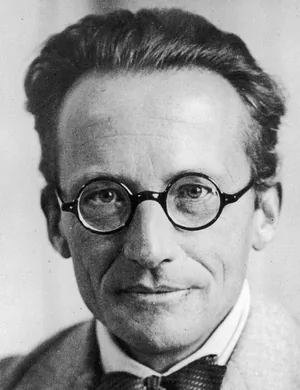
Erwin Schrödinger Did you know?His thought experiment with a cat that is both alive and dead is still used to teach quantum physics.
Erwin Schrödinger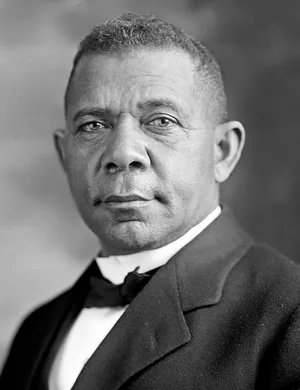
Booker T. Washington Did you know?Born into slavery, he founded the Tuskegee Institute and led it for 34 years.
Booker T. Washington
Every course you study, kept in your learning journeys
Each document you upload stays in your folders with how far you have read, your notes and your mock exams. Resume where you stopped, test yourself on it, or open its analytics.
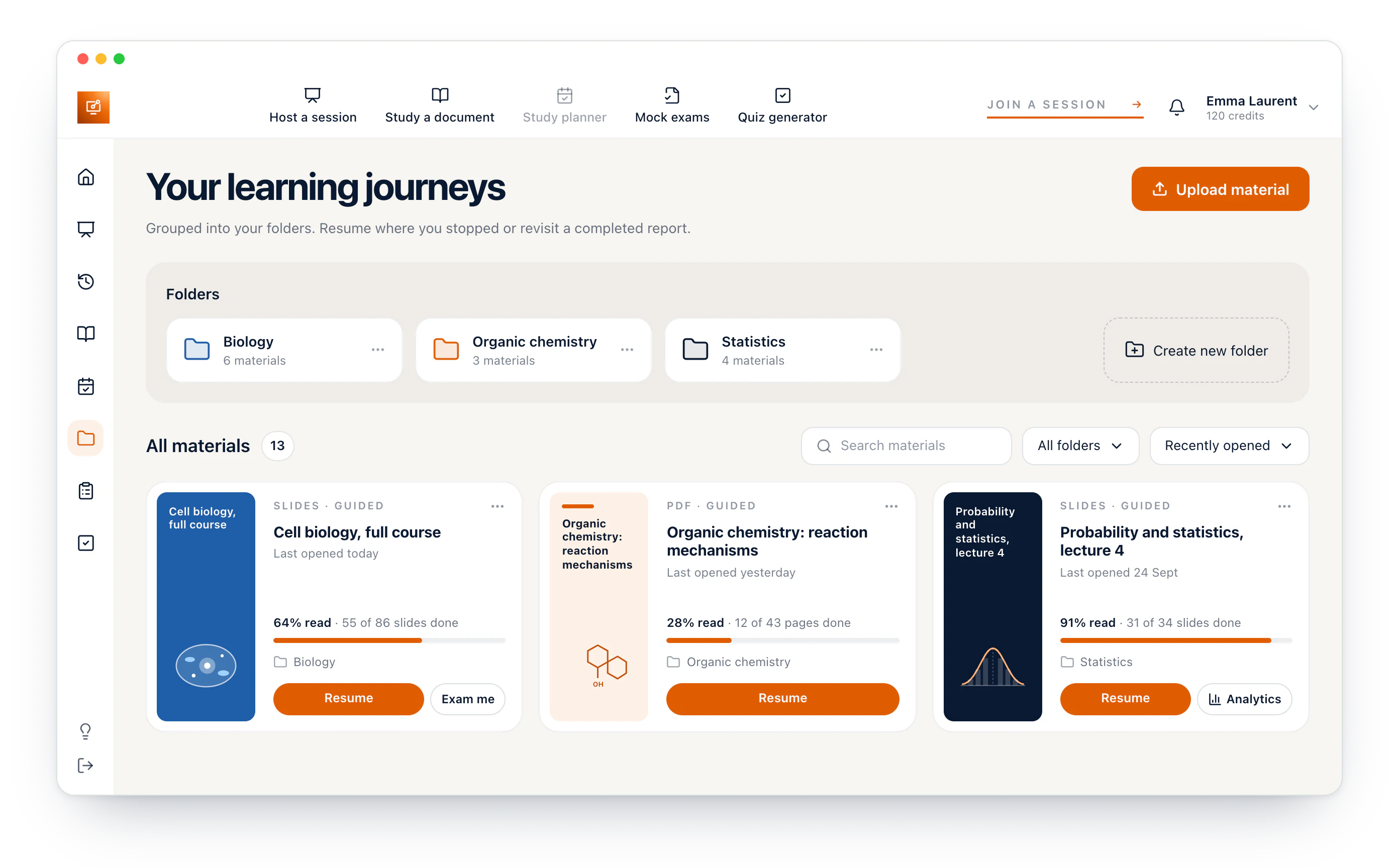
Start yours: sign in and upload your first course.
Already have a Diaposi account? Log in
Self quizzes, answered.
What learners ask most often before their first quiz on Diaposi.