

Opening & checks
Anonymous polls for expectations, and ten-second comprehension checks between steps.
Everything from the empty agenda to the follow-up email: writing the objective, shaping the day, opening it, running it and closing it against what you promised.
Most of what decides whether a workshop works happens while the room is still empty.


Open with expectations, Read the objective out loud, One idea, then something to do with it, Check before you move on, Change what the room is doing, Silence is not agreement
The plan survives contact with the participants only if the first ten minutes were built properly.
Check in, read the objective out loud, collect what they came for.
One idea, then something to do with it. Check before you move on.
In writing, at any time, without a raised hand or a name attached.
Answer the expectations out loud. Name the gaps you did not reach.
Copy it, change the content, keep the proportions. The opening, the debriefs and the buffer are what make it work.
Asking in writing, Anonymous by default, Up-voted by the room, What happened, So what, Now what, Quiet thinking time first
An exercise without a debrief is an activity, not a lesson.

How do we make this stick after today?
What if my team disagrees with the outcome?
Can we see the raw answers?
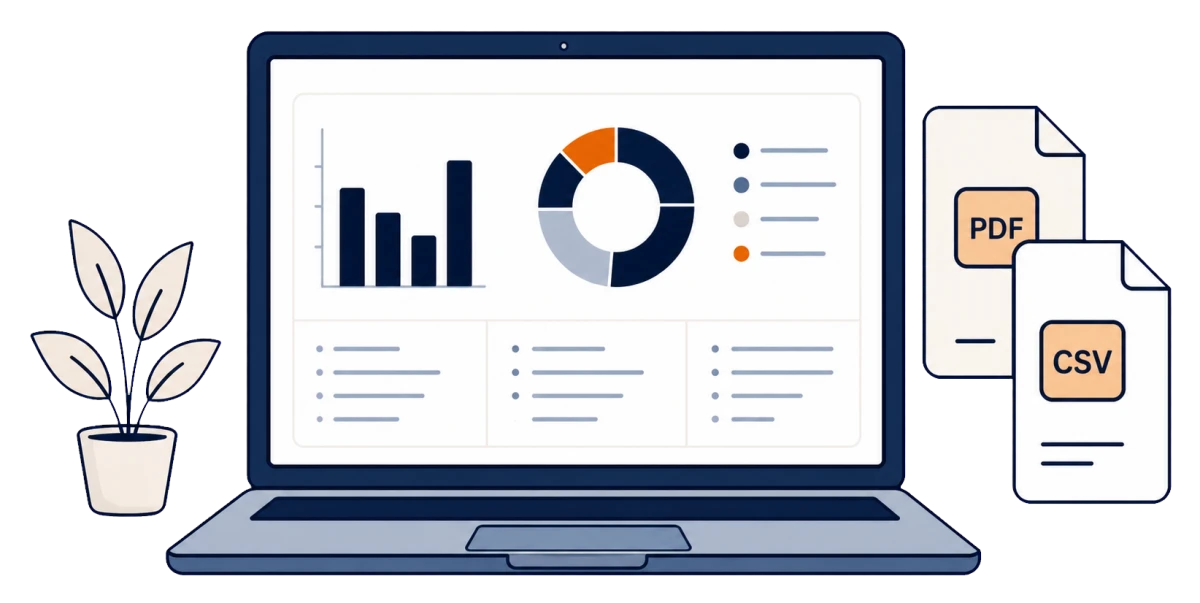
Send it the same day, The deck and the drawing on it, The questions raised, The actions committed to, PDF and CSV, Where the group struggled
The workshop is not finished when the room empties.
The next morning at the latest. Memory of a session decays fastest right after it.
The deck, whatever was drawn on it, the questions raised, the actions committed to.
Answer the expectations you did not reach, in writing, rather than letting them hang.
PDF and CSV of where the group lost the thread, so the next run is a better one.
Planning content to the last minute
Fill 80% of the clock. The 20% is not spare, it is what the room will take.
Opening with logistics
Open with why they are in the room. Housekeeping takes ninety seconds later.
Asking “any questions?”
Ask a specific one instead, and make answering anonymous.
Running exercises back to back
Debrief each one. An exercise without a debrief is an activity, not a lesson.
Cutting the close when you overrun
Cut an exercise instead. The close is where the day becomes usable.
Sending the material a week later
Send it the same day, while the room still remembers what it means.
None of the above needs software. Four of the steps are hard to do well in a room of more than a dozen people, and that is the part it handles.
Anonymous polls for expectations, and ten-second comprehension checks between steps.
Written and anonymous, up-voted so the shared question surfaces first.
Whiteboard and annotation straight over the slide you are already showing.
Collect answers before anyone speaks, then discuss the spread.
The report generates when you end: deck, notes, questions, where the group struggled.
Bring the deck you already run. Diaposi handles the asking, the checking and the follow-up.
Run the same activities as a live quiz
Go live with Diaposi